Technology has a strange sense of timing. Your laptop freezes just before a meeting, the printer stops responding when a document is urgently needed, or the internet connection disappears in the middle of an important upload. These moments can feel frustrating, especially when the device gives little explanation about what went wrong.
Learning how to troubleshoot tech issues does not mean becoming a professional technician overnight. In most cases, it simply means slowing down, observing what is happening, and testing possible causes in a sensible order. Many everyday technology problems are caused by temporary software glitches, loose connections, outdated settings, storage limitations, or small changes that are easy to overlook.
A calm and structured approach can turn troubleshooting from a guessing game into a practical skill.
Start by Understanding the Exact Problem
The first step is to describe the issue as clearly as possible. Saying that a computer is “not working” is too broad. Is the screen completely blank? Does the computer turn on but fail to load the operating system? Is one particular application crashing? Does everything work except the internet?
Small details matter because different symptoms point toward different causes.
Pay attention to when the issue began and what happened immediately before it. Perhaps a new application was installed, a system update completed, a cable was moved, or the device ran out of battery unexpectedly. Even an apparently unrelated change can offer a useful clue.
Error messages should also be read carefully rather than closed immediately. They may look technical, but they often contain the name of the affected program, file, service, or hardware component. Writing down the exact wording can make the next stage of troubleshooting much easier.
Check the Most Obvious Causes First
It is tempting to assume that a complicated problem must have a complicated solution. Often, it does not.
A device may not be receiving power. A cable may be slightly loose. The Wi-Fi feature may have been turned off accidentally. The sound might be muted inside an application rather than through the main system controls. A printer may have paper but still be showing an open tray or empty ink warning.
These basic checks may seem almost too simple, yet they solve a surprising number of problems.
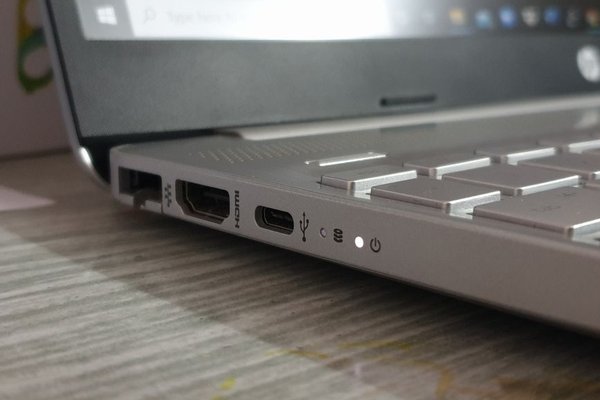
Look at power lights, cable connections, battery levels, network symbols, volume controls, and device status messages. For wireless devices, confirm that Bluetooth or Wi-Fi is enabled and that the correct network or accessory has been selected.
Starting with obvious possibilities saves time and prevents unnecessary changes to settings that were already working correctly.
Restart the Device Properly
Restarting is one of the most familiar pieces of technology advice, and for good reason. Computers, phones, routers, smart televisions, and other devices run many background processes at once. Occasionally, one of those processes becomes stuck, uses too much memory, or stops communicating with another part of the system.
A proper restart closes temporary processes and reloads essential services.
This is different from simply closing the laptop lid, turning off the screen, or placing a phone in sleep mode. Choose the restart option from the device menu whenever possible. For routers and similar equipment, disconnect the power, wait around 30 seconds, and reconnect it.
Restarting may feel like a basic response, but it creates a clean starting point. It also helps reveal whether the issue is temporary or returns consistently.
Isolate the Problem One Part at a Time
Good troubleshooting depends on separating possible causes.
Suppose a website will not load. The problem could be the website itself, the browser, the device, the Wi-Fi network, or the internet service. Instead of changing everything at once, test each possibility individually.
Try opening another website. Then try the original site in a different browser. Check whether another device can access it through the same connection. If the site works on mobile data but not Wi-Fi, the local network becomes the more likely cause.
The same method applies to accessories. If a keyboard stops responding, connect it to another USB port. If possible, test it on another computer. Try a different keyboard on the original device. These comparisons help determine whether the fault belongs to the accessory, the port, or the computer.
Changing one variable at a time is slower than random clicking, but it produces clearer answers.
Look for Recent Changes
Technology problems often begin after something changes, even when the connection is not immediately obvious.
A new program may conflict with an existing one. A browser extension could interfere with certain pages. A driver update might cause a connected device to behave differently. New security software can occasionally block an application or network connection that previously worked.
Think back to the last time the device operated normally. Then review anything installed, updated, removed, or reconfigured since that point.
When appropriate, temporarily disable a recently added extension, remove a newly installed application, or restore a changed setting. Avoid deleting unfamiliar system files or disabling essential security protections without understanding the consequences.
The goal is not to reverse every update. It is to identify whether a specific change introduced the problem.
Check Storage, Memory, and System Resources
Devices sometimes appear broken when they are simply overloaded.
A computer with very little free storage may become slow, fail to install updates, or struggle to save files. Too many open browser tabs and applications can consume available memory, leading to freezing or delayed responses. Phones may also behave unpredictably when storage is nearly full.
Check the device’s storage and performance settings. Close programs that are not being used and remove unnecessary temporary files. Large videos, old downloads, duplicate documents, and unused applications are common sources of wasted space.
Be cautious when using automatic cleaning tools. Some make dramatic claims while offering little benefit, and others may remove files that are still needed. Built-in storage management features are usually a safer place to begin.
A little breathing room can make a noticeable difference in performance.
Update Software Without Updating Blindly
Outdated software can cause crashes, security problems, compatibility issues, and missing features. Operating system updates, browser updates, application patches, and hardware drivers often include fixes for known problems.
Check whether updates are available, especially when an issue affects a specific program or connected device.
At the same time, updates should be approached thoughtfully. Save important work before installing them, keep the device connected to power, and avoid interrupting the process. For major system updates, backing up important files first is sensible.
If the problem started immediately after an update, the update itself may be relevant. Check the system’s update history and look for official notes about known issues. In some situations, reinstalling an application or rolling back a driver may help, but such steps should be taken carefully.
Use Built-In Diagnostic Tools
Modern operating systems include several troubleshooting features that many users never explore.
Network diagnostics can check internet settings and reset connections. Device managers can show whether hardware is recognized correctly. Storage tools can identify large files, while task managers reveal which applications are using excessive memory or processing power.
Printers, audio devices, batteries, and displays may also have built-in diagnostic options.
These tools are useful because they examine system information that is difficult to judge from the surface. They do not solve every issue automatically, but they can narrow the search and provide more specific error details.
Before downloading an unknown repair program, explore the diagnostic options already included with the device.
Search Using Specific Symptoms
When built-in checks are not enough, searching for the issue can be helpful. The quality of the results depends heavily on the wording of the search.
Avoid broad phrases such as “laptop problem” or “phone not working.” Include the device model, operating system, application name, error code, and exact symptom. A search describing when the problem occurs is usually more useful than a vague description.
For example, searching for a specific error message alongside the software name is more likely to produce relevant guidance.
Give priority to official support pages, manufacturer documentation, and established technical communities. Be careful with instructions that recommend downloading unknown utilities, editing system files, or entering commands without explaining what they do.
A solution should make sense before it is applied.
Protect Your Files Before Major Fixes
Basic troubleshooting is generally low risk. More advanced steps can affect personal files, saved settings, or installed software.
Before resetting a device, reinstalling an operating system, changing disk partitions, editing the registry, or replacing storage hardware, back up important information. Documents, photographs, passwords, project files, and account recovery details should be stored safely somewhere else.
Cloud storage can help, but an external drive provides an additional layer of protection. Confirm that the backup actually contains the needed files before beginning a major repair.
Troubleshooting should solve one problem, not create a more serious one through lost data.
Know When to Stop Troubleshooting
Not every issue should be handled at home. Some problems require specialist knowledge or physical repair.
A burning smell, unusual heat, swollen battery, sparking cable, liquid damage, or repeated electrical shutdown should be treated seriously. Disconnect the device safely and avoid continued use. Hardware replacement and internal repairs may expose users to electrical risks or cause further damage.
Professional support is also sensible when important data is at risk, the device remains under warranty, or the same fault returns after several careful attempts.
Knowing when to stop is part of troubleshooting well. Persistence is useful, but so is recognizing the limits of a safe home repair.
Building a Better Troubleshooting Mindset
The most valuable lesson in how to troubleshoot tech issues is not a particular keyboard shortcut or repair tool. It is the habit of working methodically.
Observe the symptoms. Check simple causes. Restart the device. Test one possibility at a time. Review recent changes. Protect important data before taking larger steps. This process reduces confusion and makes even unfamiliar problems feel more manageable.
Technology will always misbehave occasionally. Devices are complicated, software changes constantly, and small faults are unavoidable. Still, many problems become less intimidating when approached with patience rather than panic.
A calm user who asks the right questions can often solve more than someone who clicks quickly without a plan. Troubleshooting is not about knowing every answer in advance. It is about finding the answer carefully, one clue at a time.