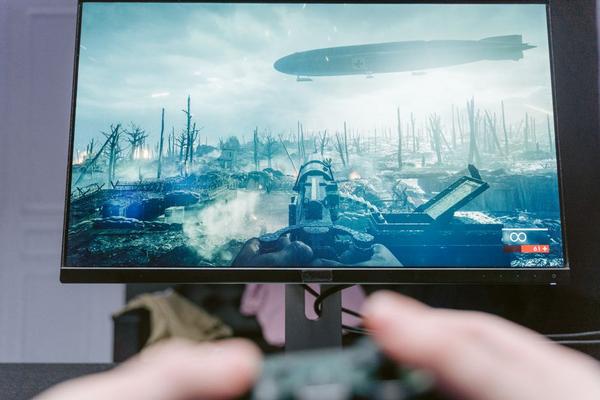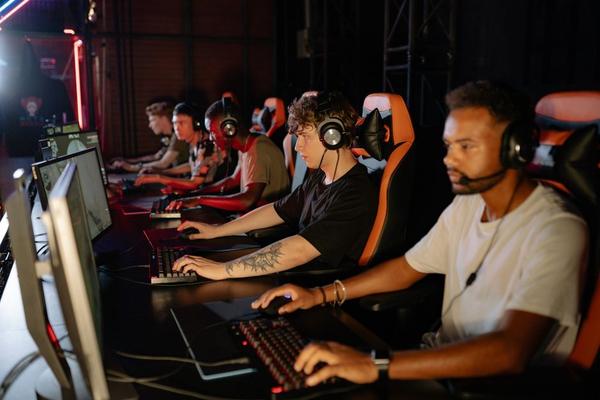
Watching an esports final can make competitive gaming look like a closed world: professional teams, expensive equipment and players who seem impossibly quick. The UK scene has a more accessible side. School competitions, university societies and community tournaments give newcomers places to play and meet teammates. You do not need sponsorship or a huge following to begin.
If you are wondering how to get into esports in the UK, the first question is not “How do I go pro?” It is “Where can I play organised matches at my level?” The answer depends on your age, chosen game and whether you study at a school, college or university.
Find the UK entry route that fits you
School and college players
British Esports runs the Student Champs for eligible UK schools and colleges, with participation for students aged 12 and over. Institutions register teams, so ask a teacher or enrichment coordinator whether your school takes part. The 2026/27 competition includes games such as Rocket League, League of Legends and VALORANT. Individual titles can have higher age requirements: VALORANT, for example, is restricted to participants aged 16 and over.
If your school has no team, suggest a lunchtime club. Find interested players, ask a staff member to supervise and review the competition handbook together. You cannot simply enter a school-only event as an unaffiliated individual.
University students
National Student Esports (NSE) runs the British University Esports Championship and connects players with gaming societies. Winter 2026 sign-ups opened in September, showing why checking current dates matters. Contact your university society and ask about spaces, substitutes or development squads. Some groups welcome beginners for casual sessions before trials.
Adults outside education
You can join amateur esports in the UK without being a student. Look for open community cups, game-specific Discord servers, grassroots teams and established tournament platforms. Check server region, permitted ages, team size, fees and residency rules before registering. An event called “open” may still restrict ranks or regions.
Pick one game and enter a realistic first competition
Different titles reward different strengths. Rocket League tests positioning and coordination; fighting games reward match-up knowledge and individual practice; team shooters emphasise communication and role discipline. Choose a game you enjoy and can practise consistently. You will improve faster by learning one format than by switching games every weekend.
Before signing up for esports competitions in the UK, read the rules. Confirm the platform, UK local start time, check-in deadline, anti-cheat requirements, age restrictions and roster size. Learn how results are reported and what happens after a disconnection. Missing check-in can end your first tournament before the opening match.
For example, a Manchester-based Rocket League trio might begin with weekly ranked sessions, then enter a beginner-friendly online cup using European servers. They assign one person to handle check-in, test microphones and arrange a substitute if permitted. Even a first-round defeat gives them match footage and decisions to review.
Train like a teammate, not just a ranked player
High rankings help, but teams also need reliability. Set aside focused sessions each week instead of chasing endless matches. Warm up, practise one weakness, play purposeful games and review a difficult round. Notice patterns such as late rotations, poor resource management or unclear callouts rather than blaming teammates.
Make communication a skill. Give concise information, listen to tactical decisions and avoid arguments during matches. Arrive on time, follow conduct rules and be willing to support teammates. For readers hoping to become an esports player, these habits can determine whether a team stays together.
A guide to beginner-friendly competitive games can help you compare titles. After choosing one, record your rank, tournament placements and improvements to assess your progress realistically.
Build connections without pretending to be professional
Join a few active communities rather than dozens of inactive servers. Introduce yourself with your game, role, skill level and genuine availability. Join practice matches, accept constructive feedback and maintain a respectful profile. Organisers remember players who reliably turn up.
After several competitions, collect evidence: match recordings, standings and a brief description of your role. These are more credible than claiming to be semi-professional after a few ranked wins. Larger opportunities are possible, but paid esports careers are not guaranteed.
Consider behind-the-scenes esports roles
Playing is not the only entry point. Amateur events need commentators, observers, stream operators, designers, moderators and match administrators. Offer to help a legitimate school, university or community event with a defined task and supervisor. A short edited highlight reel or sample tournament schedule can demonstrate ability.
If you prefer production or organising, explore esports careers through that route. Ask whether work is paid, who owns footage and how volunteers are supervised. Younger participants should involve a parent, carer or responsible staff member when joining unfamiliar communities. A guide to esports jobs and qualifications can be a useful next step.
Budget for participation and stay safe
You do not need a top-end gaming PC for every title. Start with equipment that runs your game reliably, stable internet and a functioning headset when communication matters. Some cups are free; others involve game purchases, subscriptions, travel or entry fees. A prize pool does not mean guaranteed earnings.
Protect personal details, enable account security and avoid organisers demanding passwords or suspicious payments. For in-person events, consider travel, accessibility and appropriate supervision. Consult a gaming setup guide before buying hardware that may not improve results.
A practical first-month plan
In week one, choose a game and identify a legitimate UK-accessible community or student organisation. In week two, learn its rules and arrange regular practice. In week three, play practice matches or a small open event and save one recording. In week four, address two weaknesses and register for another suitable competition. Aim for experience, not immediate prize money.
Frequently asked questions
Can you get into esports in the UK with no experience?
Yes. Start with a game you enjoy, build basic competitive experience and join beginner-friendly communities. You may need practice before entering a tournament, but many grassroots events do not require a professional history.
Do you have to be a student to play esports?
No. Student Champs and university competitions have education-based eligibility rules, but community tournaments and independent teams offer routes for people outside education.
How old do you need to be to compete?
It depends on the event and game. Student Champs is for eligible students aged 12 and over, while individual titles may set higher minimum ages. Check current rules and age ratings.
Can amateur UK esports players earn money?
Some competitions award prizes, but most newcomers should play for experience rather than income. Expenses, eligibility and the organiser’s payment terms matter if you win.
Start with one genuine opportunity
Getting into esports is less about discovering a secret route to professional teams and more about joining the community. Choose an appropriate event, arrive prepared, learn from the result and meet people who share your interest. One well-run amateur competition is a stronger beginning than months spent waiting to feel ready.