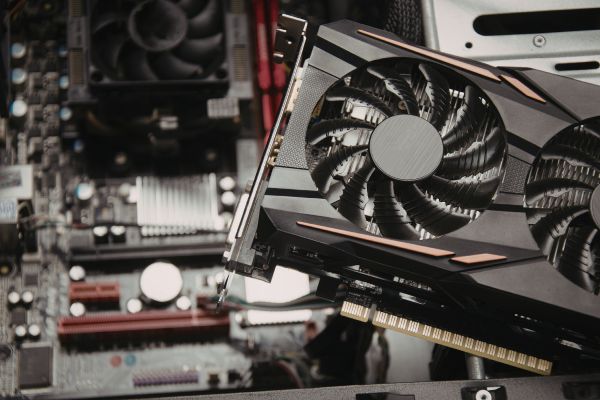
4K gaming used to be a flex. Now, it’s a genuine expectation for anyone investing in a high-end PC. Big screens are cheaper, OLED monitors are everywhere, and modern games are designed to show off cinematic lighting, dense worlds, and absurd levels of detail. But pushing all of that at 3840×2160 is still brutally demanding. Choosing among the top GPUs for 4K gaming in 2026 is less about raw specs and more about understanding how modern games actually behave.
This guide isn’t about hype cycles or brand loyalty. It’s about how these GPUs feel in real-world use, how they age with new releases, and what kind of 4K experience you can realistically expect.
What 4K Gaming Demands in 2026
Modern 4K gaming is no longer just about average frame rates. Frame-time consistency, upscaling quality, ray tracing stability, and VRAM headroom all matter more than they did a few years ago. A GPU that looks powerful on paper can still stumble if it runs out of memory or relies too heavily on aggressive scaling.
Today’s 4K games assume you’ll use some form of AI-assisted upscaling. Native 4K is still achievable, but most players mix high or ultra settings with smart scaling to keep motion smooth. The GPUs that handle this best tend to age more gracefully, especially as engines become more complex.
NVIDIA GeForce RTX 4090 and the No-Compromise Approach
If there is a single card that defines top-tier 4K gaming right now, it’s the NVIDIA GeForce RTX 4090. It isn’t subtle, efficient, or affordable—but it is unapologetically powerful.
At 4K, the RTX 4090 rarely feels stressed. Ultra settings with ray tracing enabled are not aspirational targets; they’re the default experience. In demanding titles, frame rates remain smooth even before upscaling is applied, which gives the card a unique advantage for players who care about image purity.
The real strength here isn’t just raw horsepower. It’s consistency. Frame drops are rare, stutter is minimal, and the card has enough VRAM headroom to shrug off poorly optimized releases. For anyone who wants to turn every slider to maximum and forget about settings menus for years, this GPU sets the standard.
RTX 4080 Super and the Sensible High-End Choice
Not everyone wants—or needs—the absolute ceiling. The RTX 4080 Super occupies a more nuanced space among the top GPUs for 4K gaming. It delivers a premium experience without the excess that defines flagship cards.
At 4K, most modern games run smoothly at high or ultra settings, especially when paired with intelligent upscaling. Ray tracing performance remains strong, though not as carefree as on the 4090. You may occasionally need to dial back the most aggressive lighting effects, but the visual compromise is usually subtle.
What makes this card appealing is balance. Power draw is more manageable, cooling solutions are less extreme, and long gaming sessions feel less like you’re running a small server in your room. It’s the kind of GPU that makes sense for players who want excellent 4K performance without chasing absolute dominance.
AMD Radeon RX 7900 XTX and the VRAM Advantage
The conversation around AMD’s high-end cards has shifted in recent years, and the RX 7900 XTX is a big reason why. Built by AMD, this GPU leans heavily into memory capacity and rasterization performance.
At native 4K, the RX 7900 XTX is impressively fast. Traditional rendering workloads run smoothly, and large open-world games benefit from its generous VRAM allocation. Texture-heavy titles, in particular, tend to age better on this card than expected.
Ray tracing performance still lags behind NVIDIA’s best, but the gap isn’t always as dramatic as it once was. In many games, the difference is more about settings flexibility than outright playability. For players who prioritize high-resolution textures and long-term stability over cutting-edge lighting effects, this GPU makes a compelling case.
Upper-Midrange GPUs and Smart 4K Gaming
Not every 4K setup needs a monster GPU. Cards like the RTX 4070 Ti Super have redefined what “entry-level 4K” actually means. With the right expectations, these GPUs can deliver a surprisingly smooth experience.
You won’t be running every game at ultra with ray tracing maxed out, and that’s fine. With high settings, selective effects, and modern upscaling, many games feel fluid and sharp. On a typical couch-gaming distance or a 27-inch monitor, the visual difference is often smaller than benchmark charts suggest.
This category appeals to players who value flexibility. You’re trading absolute performance for efficiency, lower cost, and quieter systems. In practice, that tradeoff makes sense for a lot of real-world gaming setups.
Upscaling and Why It Shapes 4K Performance
One of the biggest misconceptions about 4K gaming is the idea that native resolution is the only goal that matters. In reality, high-quality upscaling has become part of the visual pipeline, not a compromise.
Modern upscaling techniques preserve detail while smoothing motion, often producing images that look cleaner than native rendering at unstable frame rates. The top GPUs for 4K gaming are increasingly judged by how well they integrate these tools, not by how often they avoid them.
This shift has also extended the lifespan of high-end cards. A GPU that handles upscaling gracefully today is more likely to feel relevant three or four years down the line, even as game engines evolve.
Power, Cooling, and the Reality of High-End GPUs
There’s no escaping the physical reality of 4K gaming hardware. These GPUs are large, power-hungry, and demanding in ways that affect the entire system. Choosing a top-tier card often means rethinking airflow, power supplies, and even desk space.
Thermals matter more than raw performance charts suggest. A GPU that throttles under sustained load won’t feel premium, no matter how impressive its specs look. This is where custom cooling designs and well-ventilated cases quietly make a huge difference.
For many players, the most satisfying 4K experience comes from a balanced system rather than the single most powerful GPU available.
Longevity and Future-Proofing at 4K
Future-proofing is a dangerous phrase, but some GPUs undeniably age better than others. VRAM capacity, driver support, and architectural flexibility all play a role in how a card handles future releases.
Games are becoming more memory-intensive, and high-resolution assets aren’t getting smaller. GPUs with larger memory pools tend to handle these trends with less friction. At the same time, strong upscaling support can offset raw performance gaps as engines become more complex.
Thinking long-term doesn’t mean buying the most expensive card. It means choosing one that aligns with how games are actually evolving.
A Thoughtful Conclusion on the Top GPUs for 4K Gaming
The landscape of top GPUs for 4K gaming in 2026 is less about chasing extremes and more about understanding your own priorities. Absolute performance still has its place, and flagship GPUs deliver breathtaking results. But balance, efficiency, and smart technology matter just as much now.
4K gaming isn’t a single experience. It changes depending on your screen, your games, and how much you value visual fidelity versus smooth motion. The best GPU is the one that fits seamlessly into that equation, quietly delivering the experience you expect without constant tweaking.
In the end, great 4K gaming doesn’t come from specs alone. It comes from a system that feels effortless every time you sit down to play—and that’s where the right GPU truly earns its place.