Buying a new phone is no longer a simple choice between a handset and a network. In 2026, premium devices cost more, contracts can include scheduled price increases, and SIM-only competition is stronger than ever. Many buyers therefore ask whether paying upfront for a SIM-free handset is cheaper than spreading the cost through a contract.
This SIM free vs contract phones UK guide compares the full cost, flexibility and practical trade-offs of both routes. The cheapest option depends on the handset, allowance and how long you keep your phone.
What is a SIM-free phone?
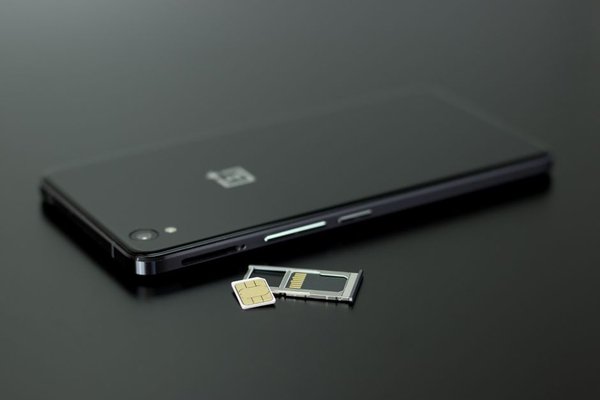
A SIM-free phone is bought separately from a mobile airtime plan. You pay for the handset outright, or use a retailer’s finance option, then insert a SIM from the network of your choice. Because UK networks cannot sell locked phones, changing provider later is usually straightforward, provided the handset supports the technology you need.
You can pair the device with rolling or fixed-term sim only phone deals UK providers offer. These plans cover calls, texts and data without bundling the handset cost into the monthly payment. The main drawback is the initial expense: a flagship device can require a substantial upfront payment.
How does a phone contract work?
A handset contract combines the phone and mobile service into one monthly payment. Depending on the deal, you may pay an upfront fee followed by instalments over 12, 18, 24 or sometimes more months. A typical pay monthly phone UK package can therefore feel easier to budget for because the cost is spread out.
However, the headline monthly price does not always show the complete picture. Check the upfront payment, every monthly charge, scheduled price rises and the agreement length. Since January 2025, new UK telecoms contracts cannot use inflation-linked or percentage-based price increases. Any planned rise must be displayed clearly in pounds and pence before you sign up. That improves transparency, but it does not mean every contract price stays fixed.
Which option usually costs less overall?
SIM-free buying often wins on total cost when you find a handset discount and combine it with a competitively priced SIM-only plan. Retailers may reduce phones during launches, trade-in events and seasonal sales. Once you own the device, you can switch airtime plans without replacing the phone.
Contracts can still be excellent value when a network subsidises the handset, adds a worthwhile trade-in bonus or includes extras you would otherwise buy. The danger is that a deal can look cheap monthly while costing more across the full term.
Use a total-cost calculation
For a SIM-free purchase, add the handset price to the complete cost of your chosen SIM plan over the comparison period. For a contract, add the upfront payment to all monthly charges, including stated increases. Compare both over the same number of months.
Do not compare a 24-month contract with only the first year of a SIM-only plan. Check what happens after the minimum term as well. A plan may continue at a less competitive rate unless you actively change it.
Flexibility is where SIM-free stands out
Owning the phone separately gives you more freedom. You can choose a one-month SIM, move provider when prices change, adjust your data and keep the handset for several years. If your circumstances change, you are not necessarily tied to a combined device-and-airtime agreement.
Switching mobile providers is relatively simple. You can request a PAC to keep your number or a STAC if you do not want it. Before leaving, check whether your current plan has a minimum term or early termination charge.
A contract offers less flexibility during its minimum period, and leaving early may be expensive. It can also encourage an unnecessary upgrade when the agreement ends, even if the phone still works well.
When a contract may be the better choice
A contract can make sense when paying hundreds of pounds upfront would strain your budget. Predictable monthly payments may be easier to manage, particularly when the deal clearly separates handset finance from airtime costs.
It may also suit buyers who want one bill or can secure a strong network-exclusive offer. Some contracts include roaming, entertainment or enhanced trade-in values, but count those benefits only if you would genuinely use them.
Handset finance may involve a credit check, and missed payments can have serious consequences. Affordability matters more than having the newest model.
When SIM-free is likely to save more
SIM-free is particularly attractive if you keep phones beyond two years. After the handset is paid for, your ongoing cost can be limited to a low-cost SIM plan. It also works well if you buy refurbished, choose a previous-generation model or wait for sim free phone deals instead of purchasing on launch day.
The savings can grow when your data needs are modest. Contract bundles sometimes include far more data than a customer uses. With a separate SIM, it is easier to choose an allowance based on actual consumption.
Important checks before choosing
Coverage and network quality
A cheap plan is poor value if coverage is unreliable where you live, work or travel. Check the provider’s coverage information and, where possible, test the service before committing to a long term.
Handset compatibility
Make sure the phone supports 4G calling and the UK bands used by your network. The UK’s 3G networks have been switched off, so very old devices may no longer be suitable. This matters especially with refurbished or imported phones.
Upgrade habits
If you replace your phone every year, a flexible upgrade programme may matter more than the lowest total cost. If you keep a handset for three or four years, ownership and a SIM-only plan are more likely to save money.
Frequently asked questions
Is it cheaper to buy a phone outright in the UK?
It often is, especially when the handset is discounted and paired with a low-cost SIM-only deal. Always compare the full cost because some network contracts include strong handset discounts.
Can I use any UK SIM in a SIM-free phone?
Usually, yes. Check that the device supports the relevant network bands, 4G calling and any required eSIM features. Imported or older models deserve extra attention.
Do mobile contract prices still rise each year?
Some contracts include scheduled rises, but new deals must state them clearly in pounds and pence rather than linking them to unknown future inflation. Read the pre-contract information and calculate the total payable amount.
What happens when my phone contract ends?
Your provider must notify you near the end of the contract and explain available deals. Review the price rather than letting an unsuitable plan continue automatically. You may save by keeping the handset and moving to SIM-only.
So, which saves you more?
For many UK buyers, purchasing SIM-free and choosing airtime separately is the cheaper long-term route. It gives you control over the handset price, makes it easier to shop among networks and rewards you for keeping a phone longer.
A contract remains useful when upfront affordability, convenience or a genuinely strong promotion outweighs the extra commitment. The smartest decision is not based on the smallest monthly figure. Compare every payment, include announced price rises and choose the option that fits your budget and upgrade habits.