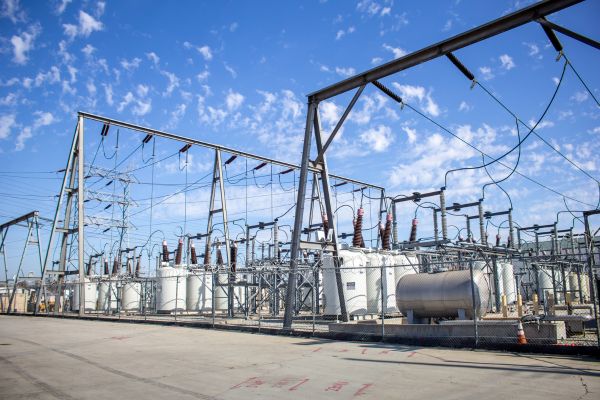
The way electricity moves through cities, towns, and homes is quietly changing. For more than a century, power systems operated in a fairly predictable pattern: electricity flowed from large power plants through transmission lines and eventually reached consumers. It worked, mostly. But as energy demands grew and renewable sources entered the picture, the old system started to show its age.
That’s where smart grid technology comes in.
In recent years, smart grid technology has become one of the most important developments in modern energy infrastructure. It blends digital communication, automation, renewable energy integration, and real-time monitoring into a more responsive and efficient electrical system. While the term may sound technical at first, its impact is surprisingly practical. It affects how energy is delivered, how outages are managed, and even how households monitor electricity use.
The shift isn’t happening overnight, but it is steadily reshaping the future of energy around the world.
Understanding What Smart Grid Technology Really Means
At its core, smart grid technology refers to an electricity network that uses digital tools and automated systems to improve the way power is generated, distributed, and consumed.
Traditional power grids operate in a one-way direction. Electricity moves from a power station to homes and businesses, with limited communication between providers and users. Smart grids change that relationship entirely. They create a two-way flow of both electricity and information.
This means utility companies can monitor energy demand in real time, identify faults faster, and adjust supply more efficiently. Consumers, meanwhile, gain more visibility into their own energy usage through smart meters and connected devices.
The idea sounds futuristic, but many elements of smart grids already exist in everyday life. Smart thermostats, automated outage alerts, electric vehicle charging systems, and rooftop solar panels all rely, in some way, on the growing intelligence of the grid.
Why Traditional Energy Systems Needed an Upgrade
Conventional electrical grids were designed for a very different era. Decades ago, energy demand was more predictable, and electricity came mostly from coal, natural gas, or hydroelectric plants. The system was centralized and relatively straightforward.
Today, the situation is more complicated.
Modern cities consume enormous amounts of energy, and demand fluctuates constantly. Renewable energy sources like wind and solar are cleaner, but they also introduce variability because weather conditions change throughout the day. At the same time, electric vehicles, smart homes, and digital industries are increasing pressure on existing infrastructure.
Older grids struggle to adapt quickly enough.
Power outages, transmission losses, and inefficient energy distribution became increasingly common concerns in many regions. Smart grid technology emerged as a response to those limitations, offering a more adaptive and resilient framework.
Instead of simply delivering electricity, the grid now has the ability to “think,” analyze patterns, and respond to changing conditions almost instantly.
The Role of Smart Meters in Modern Energy Systems
One of the most visible components of smart grid technology is the smart meter.
Unlike traditional electricity meters, which require manual readings, smart meters automatically send usage data to utility providers in real time. This allows for more accurate billing and better monitoring of energy consumption.
For households, the benefits can be surprisingly practical. Many people become more aware of how much electricity they use once they can track it throughout the day. Something as simple as running appliances during off-peak hours can lower energy costs over time.
Utility companies benefit as well. Instead of waiting for customer reports during outages, providers can often detect problems immediately and pinpoint affected areas faster than before.
There’s also a subtle psychological shift that happens when people see their energy habits more clearly. Consumption becomes less abstract. Lights left on unnecessarily or inefficient appliances suddenly become easier to notice.
Renewable Energy and the Smart Grid Connection
Renewable energy sources are deeply connected to the growth of smart grid technology.
Solar panels and wind turbines generate electricity differently from traditional power plants. Their output changes based on sunlight, wind conditions, and weather patterns. Managing those fluctuations across a large electrical network can be difficult without intelligent systems in place.
Smart grids help balance supply and demand automatically. If solar generation drops because of cloud cover, the system can redistribute electricity from other sources almost immediately. In some areas, excess energy produced by households with rooftop solar panels can even flow back into the grid for broader use.
This flexibility matters more than ever as countries work toward cleaner energy goals.
Without smarter infrastructure, integrating large amounts of renewable energy would create instability in older grids. Smart grid technology acts almost like a traffic controller for electricity, helping different energy sources work together more smoothly.
How Artificial Intelligence Is Improving Grid Efficiency
Artificial intelligence is beginning to play a larger role in energy management systems, and smart grids are one of the clearest examples of that trend.
Modern grids generate enormous amounts of data every second. Sensors monitor voltage levels, energy demand, weather conditions, and equipment performance across vast networks. Processing that information manually would be nearly impossible.
AI systems can analyze patterns much faster.
In some cases, predictive algorithms can identify equipment failures before they happen. A transformer showing unusual performance patterns, for example, may be repaired before it causes a widespread outage. This predictive maintenance reduces downtime and lowers operational costs.
AI also improves energy forecasting. By analyzing historical data and weather predictions, smart grids can estimate electricity demand more accurately and allocate resources accordingly.
The result is a system that wastes less energy and responds more efficiently during periods of high demand.
Electric Vehicles Are Changing the Grid
The rise of electric vehicles has added another layer to the conversation around smart grid technology.
Charging millions of electric cars creates significant pressure on power systems, especially during peak hours. If unmanaged, large-scale EV adoption could strain local grids and increase the risk of overloads.
Smart grids help solve this challenge through intelligent charging management.
Instead of every vehicle charging at the same time, connected systems can stagger charging schedules based on energy demand and grid capacity. Some systems even allow electric vehicles to send electricity back into the grid temporarily during emergencies or peak demand periods.
This concept, often called vehicle-to-grid integration, is still developing, but it reflects how interconnected future energy systems may become.
Cars are no longer viewed only as transportation devices. In some ways, they are becoming mobile energy storage units.
Cybersecurity Concerns in Smart Grid Systems
As energy systems become more connected, cybersecurity becomes increasingly important.
Traditional power grids were largely mechanical, with limited digital exposure. Smart grid technology introduces communication networks, cloud systems, remote monitoring tools, and internet-connected devices. While these advancements improve efficiency, they also create potential vulnerabilities.
A cyberattack targeting energy infrastructure could disrupt services on a large scale.
Because of this, governments and utility providers are investing heavily in digital security measures. Encryption systems, secure communication protocols, and continuous monitoring are becoming standard parts of modern grid design.
There’s an interesting tension here. The same connectivity that makes smart grids efficient also requires constant vigilance. Energy infrastructure is no longer just about wires and transformers; it has become part of the broader digital ecosystem.
Smart Cities and the Future of Energy Management
Smart grid technology is closely tied to the broader idea of smart cities.
Urban areas are increasingly using connected systems to manage transportation, water distribution, waste collection, and energy usage more efficiently. Smart grids provide the electrical foundation for many of those innovations.
Streetlights that dim automatically during low traffic periods, buildings that optimize energy consumption based on occupancy, and automated emergency response systems all rely on intelligent energy networks.
In densely populated cities, even small improvements in efficiency can have a major impact over time. Reduced energy waste not only lowers costs but also decreases environmental pressure.
The integration of these technologies won’t look identical everywhere. Some cities are moving aggressively toward digital infrastructure, while others are upgrading more gradually. Still, the direction seems fairly clear: energy systems are becoming more responsive, decentralized, and data-driven.
Challenges Slowing Wider Adoption
Despite its advantages, smart grid technology still faces several challenges.
Infrastructure upgrades are expensive, especially in regions with aging electrical systems. Installing smart meters, advanced sensors, and modern communication networks requires significant investment.
There are also privacy concerns. Since smart grids collect detailed usage data, some consumers worry about how that information is stored or used.
Another challenge involves compatibility. Older equipment often needs to be integrated with newer technologies, which can create technical complications during transitions.
In developing regions, the issue may simply come down to priorities. Expanding basic electricity access sometimes takes precedence over implementing advanced grid systems.
Even so, adoption continues to grow steadily because the long-term benefits are difficult to ignore.
Conclusion
Smart grid technology represents more than a technical upgrade to the electrical system. It reflects a broader shift in how societies think about energy, efficiency, and sustainability.
The traditional grid was built for a simpler world, one where electricity moved in a predictable direction from a handful of centralized power plants. Today’s energy landscape is far more dynamic. Renewable energy, electric vehicles, AI-driven systems, and connected devices are reshaping expectations about how power should be managed.
Smart grids bring flexibility to that complexity.
They help reduce waste, improve reliability, support cleaner energy sources, and give consumers greater awareness of their own energy use. At the same time, they introduce new challenges involving cybersecurity, infrastructure investment, and digital integration.
Like many technological transitions, the shift is gradual rather than dramatic. Most people may not notice the transformation happening behind the scenes. Yet every smart meter installed, every renewable energy source connected, and every automated system added to the grid pushes the energy sector toward a more adaptive future.
And in many ways, that future has already begun.